Get to Know Us
19:00-20:15
Dynamic
Dalit Ovchinsky
19:00-20:30
Hips & Knees
Tzili Ben Yaakov
18:00-19:15
All levels
Ohad Itzhaki
11:00-12:30
Adapted class – Neck & Shoulders
Tzili and Ohad
All levels
Level 2+3
Level 4+5
Adapted class
All classes start on time. We recommend arriving a bit early to get organized. Late comers will be allowed in only after the opening chant, and no later than 10 minutes after the class begins.
Practice is done barefoot, so please come with clean feet and comfortable clothing. It is recommended to avoid drinking during the class.
For more details, message Yaara, our office manager, via WhatsApp: 052-8580114
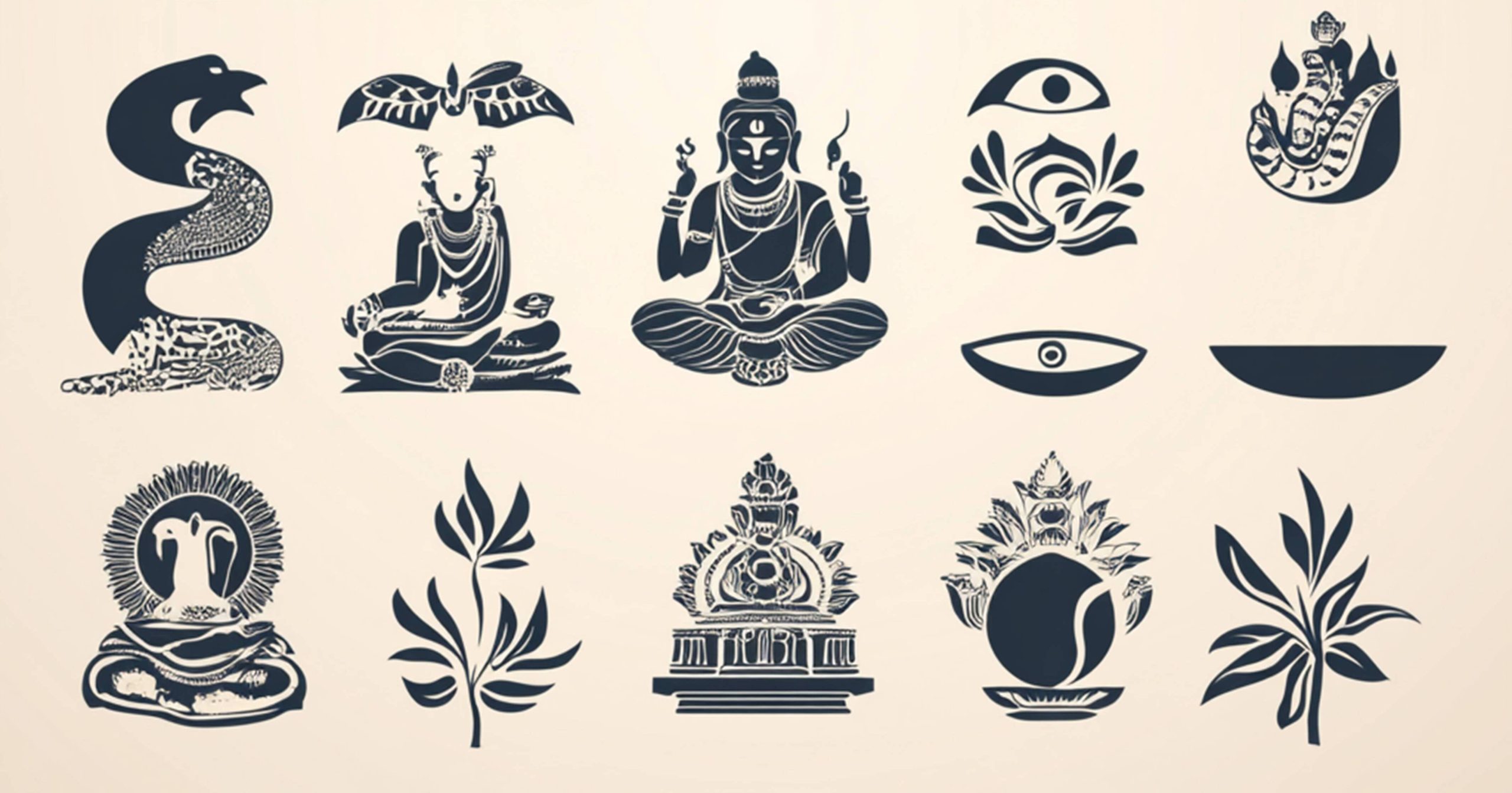
Patañjali, one of the greatest yoga teachers of all time and the father of yogic philosophy, is credited with writing the Yoga Sūtras—a foundational text that guides the practical and philosophical principles of yoga.
Historically, Patañjali likely lived between 500 and 200 BCE, though much of what we know about him is rooted in legend. He is considered a svayambhū—a soul who chose to incarnate voluntarily in order to help humanity. Patañjali took on human form, experienced life’s joys and sorrows, and learned how to transcend them. Around 2,000 years ago, he composed the Yoga Sūtras, describing the paths to overcoming the pain of the body and the turbulence of the mind—both seen as key obstacles to spiritual growth.
B.K.S. Iyengar said that every word in the Sūtras is like a drop of rain forming a lake—each word contains immense thought and experience, and together they form a complete whole.
Part One: The Divine Dance of Shiva
According to one legend, the god Vishnu was seated upon Ādiśeṣa, the king of serpents, who served as his divine couch, while watching the magnificent cosmic dance of Shiva. Vishnu was so captivated by the dance that his body began to vibrate with its rhythm. As a result, Vishnu’s body grew heavier and heavier, to the point that Ādiśeṣa, who was supporting him, struggled to breathe and nearly collapsed. When the dance ended, Vishnu’s body returned to its original lightness. Astonished by the sudden change, Ādiśeṣa asked Vishnu to explain, and Vishnu told him that the beauty, power, and majesty of Shiva’s dance had stirred his entire being, making him heavy.
Part Two: Ādiśeṣa’s Desire to Learn the Dance
Deeply moved by Shiva’s dance, Ādiśeṣa expressed his wish to learn this sacred art himself, so that he might honor Shiva and bring joy to Vishnu. After thoughtful consideration, Vishnu agreed that Ādiśeṣa could approach Shiva to request instruction in the art of dance. Shiva consented, but on one condition: that Ādiśeṣa must first write a commentary on Sanskrit grammar. Only then would he be allowed to study the divine dance. Filled with joy, Ādiśeṣa began to meditate, seeking the right time and form to take human birth and fulfill his purpose.
Part Three: A Mother on Earth
During his meditation, Ādiśeṣa envisioned a yogini named Gonikā. At that time, her life was nearing its end, and she prayed to the sun god for a worthy son to whom she could pass on her knowledge and wisdom.
Part Four: The Birth of Patañjali
One day, Gonikā took a handful of water in her palms as an offering to the sun, dedicating to it all the insight and experience she had gathered. She entered deep meditation, merging her heart with the sun. When she opened her eyes and looked down at her cupped hands, she saw a tiny serpent moving within them, which soon transformed into a small human figure. The small figure bowed to Gonikā and asked to be accepted as her son. Gonikā agreed and named him Patañjali, because he had “fallen” (pat) from the heavens into her hands, which were in a prayer (añjali) position.
The pelvis is undoubtedly a divine construction. I’m filled with joy every time I see the surprised and amazed expression on my patients’ faces when I show them the pelvic...
Read more
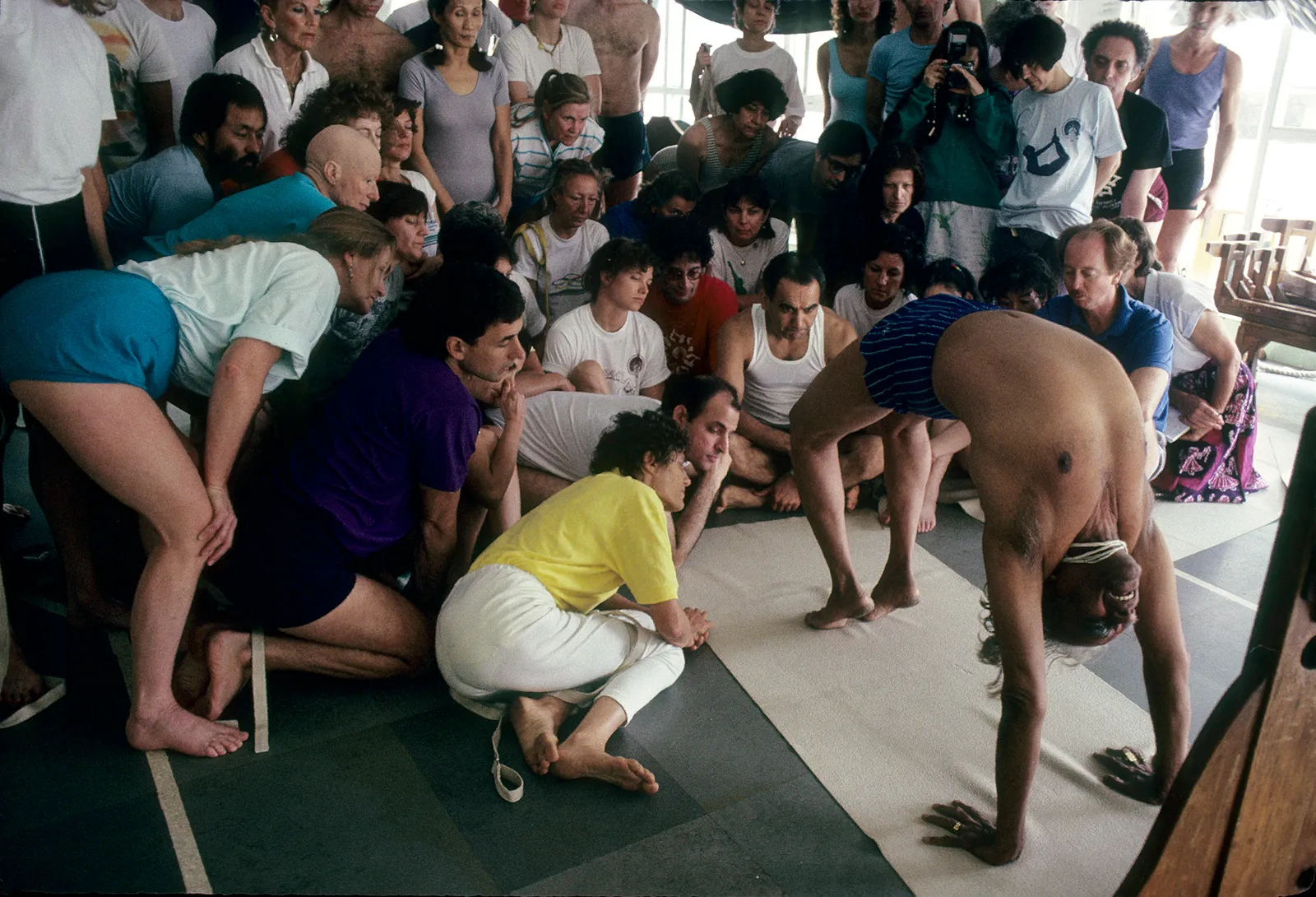
Guruji B.K.S. Iyengar’s model of the “Tree of Yoga” illustrates the eight limbs of yoga (Ashtanga) using the metaphor of a tree, with each limb representing a different part of...
Read more