Get to Know Us
19:00-20:15
Dynamic
Dalit Ovchinsky
19:00-20:30
Hips & Knees
Tzili Ben Yaakov
18:00-19:15
All levels
Ohad Itzhaki
11:00-12:30
Adapted class – Neck & Shoulders
Tzili and Ohad
All levels
Level 2+3
Level 4+5
Adapted class
All classes start on time. We recommend arriving a bit early to get organized. Late comers will be allowed in only after the opening chant, and no later than 10 minutes after the class begins.
Practice is done barefoot, so please come with clean feet and comfortable clothing. It is recommended to avoid drinking during the class.
For more details, message Yaara, our office manager, via WhatsApp: 052-8580114
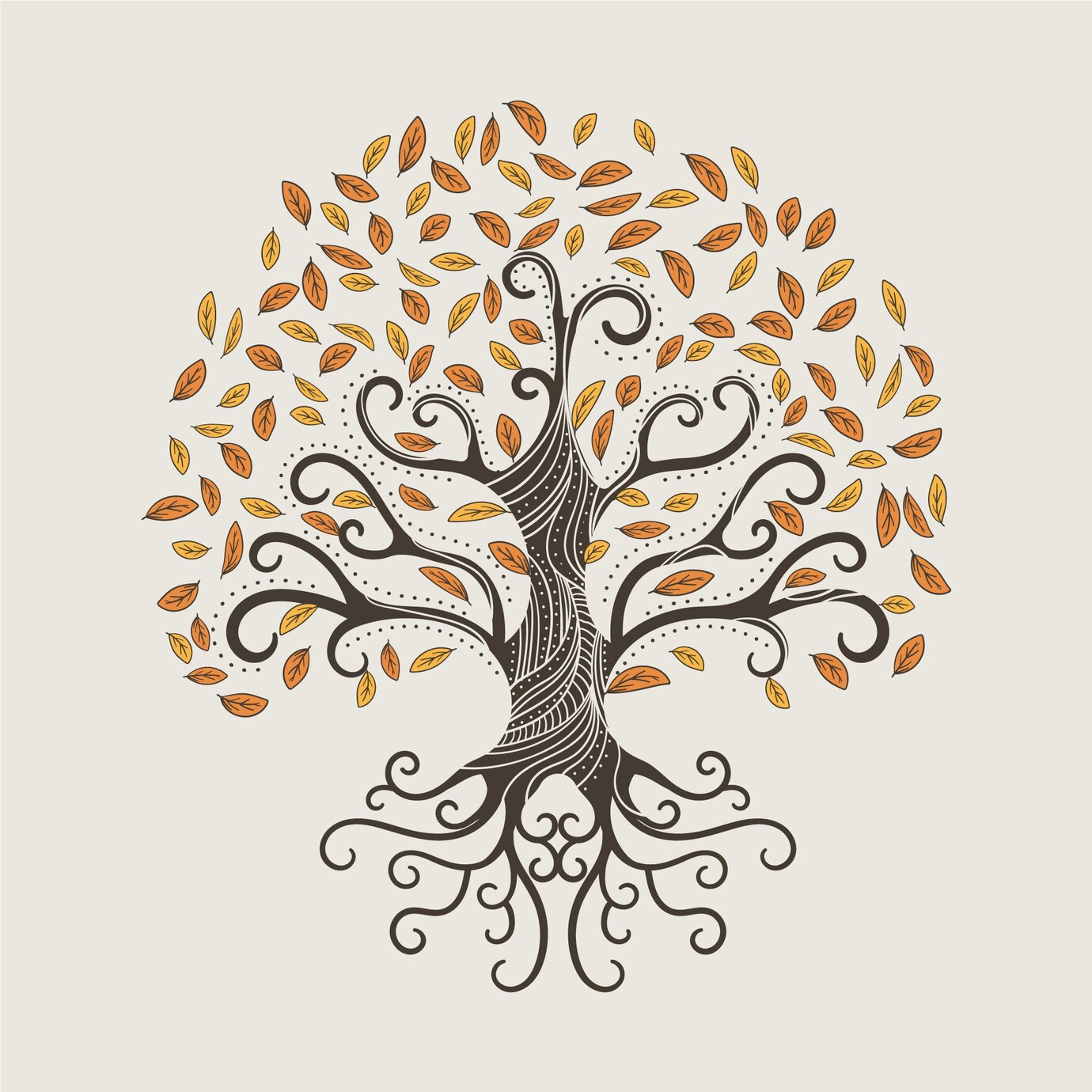
Guruji B.K.S. Iyengar’s model of the “Tree of Yoga” illustrates the eight limbs of yoga (Ashtanga) using the metaphor of a tree, with each limb representing a different part of the tree.
The development of the tree begins with the planting of a seed, which then grows roots. These roots symbolize the Yamas—universal moral principles. They form the foundation for the correct practice of yoga. Just as roots provide the tree with stability, Yama provides the practitioner with a strong ethical base. When one acts according to these principles, they gain inner steadiness and guide their actions through moral integrity. Moreover, just as the roots connect the tree to the earth, Yama forms the foundation for healthy and respectful relationships with others and the surrounding environment. The Yamas offer the practitioner support and strength to grow and evolve in a balanced and healthy way.
The trunk represents the Niyamas—self-discipline and personal observances. The stronger the trunk, the stronger the tree. Likewise, internal stability is the key to external stability. Just as the trunk supports the whole tree, inner steadiness allows a person to face challenges and function in various situations. As the tree grows, the trunk bears weight and pressure. So too, a person with inner stability can carry responsibility and face new challenges as they mature. The trunk also connects the roots (moral base) to the branches (Asanas). When one develops inner steadiness, they can integrate their inner values with outward actions.
The branches, which stretch and spread outward, represent the Asanas—yoga postures. Their diverse shapes and ways of growing reflect the variety of poses. Asanas allow the practitioner to explore the boundaries of the body and develop strength, flexibility, and physical ability. They bring stability, health, and lightness to the limbs. A stable and enjoyable posture creates mental balance and quiets the fluctuations of the mind. The true value of Asana lies in how it trains and refines the mind. Just as branches connect the trunk to the sky, Asanas connect the body to the mind.
The leaves, which breathe and absorb sunlight, symbolize Pranayama. The word Prana means breath, life, energy, or force. Like leaves that conduct photosynthesis, Prana provides energy to the body. Leaves can also serve as a metaphor for emotional states—when light is lacking, a person may experience confusion or unrest. Breathwork and connection to vitality help overcome such difficulties and return to balance. Healthy, green leaves symbolize a state of Sattva, where the mind is calm and clear, making breathing and functioning easier. Yellowing or aging leaves indicate Rajas, a state of restlessness and tension. Dry or fallen leaves represent Tamas, where inertia and fatigue make even basic practices like breathing difficult.
The bark of the tree represents Pratyahara, the withdrawal of the senses. Everything outside and on the bark symbolizes thoughts, stimuli, and external experiences that may distract from inner focus. In Pratyahara, the practitioner learns to withdraw from these distractions and turn inward. The bark can be seen as a metaphor for releasing attachment to external stimuli and returning to the inner roots of awareness. Just as bark protects the tree from insects or parasites trying to damage it, Pratyahara guards us from mental disturbances caused by outer distractions.
The resin or sap of the tree symbolizes Dharana—concentration. These represent the vitality and energy of the tree, a kind of “life fluid” that nourishes all other parts. Like sap, Dharana is essential for focus and deepening awareness, paving the way for meditation.
The blossoming flowers represent Dhyana, meditation. The yogi’s consciousness becomes illuminated, resting in a state of boundless awareness. Just as flowers bloom with color and fragrance, Dhyana reflects a deep and joyful experience of focused and connected consciousness. This stage brings inner peace and harmony, like blossoms that signal success and growth.
When the flower becomes fruit, this is the state known as Samadhi—a state of higher consciousness and total absorption in the object of meditation. Iyengar wrote:
“The essence of yoga practice is the freedom, peace, and happiness of Samadhi, in which body, mind, and soul are united and merged with the universal spirit.”
B.K.S. Iyengar uses the image of a tree to convey the hierarchical and organic structure of yogic principles. This metaphor emphasizes growth and development, with each limb supporting and strengthening the others, ultimately leading to the spiritual goal. Like a strong and steady tree, the yogic path requires patience, perseverance, and devotion.
Patañjali, one of the greatest yoga teachers of all time and the father of yogic philosophy, is credited with writing the Yoga Sūtras—a foundational text that guides the practical and...
Read more
The pelvis is undoubtedly a divine construction. I’m filled with joy every time I see the surprised and amazed expression on my patients’ faces when I show them the pelvic...
Read more