
Get to Know Us
19:00-20:15
Dynamic
Dalit Ovchinsky
19:00-20:30
Hips & Knees
Tzili Ben Yaakov
18:00-19:15
All levels
Ohad Itzhaki
11:00-12:30
Adapted class – Neck & Shoulders
Tzili and Ohad
All levels
Level 2+3
Level 4+5
Adapted class
All classes start on time. We recommend arriving a bit early to get organized. Late comers will be allowed in only after the opening chant, and no later than 10 minutes after the class begins.
Practice is done barefoot, so please come with clean feet and comfortable clothing. It is recommended to avoid drinking during the class.
For more details, message Yaara, our office manager, via WhatsApp: 052-8580114
While yoga is often perceived in the West as merely a physical practice, Iyengar Yoga is much more than exercise. This unique method, developed by the master B.K.S. Iyengar, integrates physical, mental, and spiritual practice, aiming to create harmony between the body, mind, and spirit.
Through intellectual and spiritual exploration, Yogacharya B.K.S. Iyengar developed techniques that are accessible to all yoga practitioners. His method, built on the principles of “research-based experience” and “experience-based research,” is now known as Iyengar Yoga. These techniques have made the wisdom of the Yoga Sutras accessible to everyone.
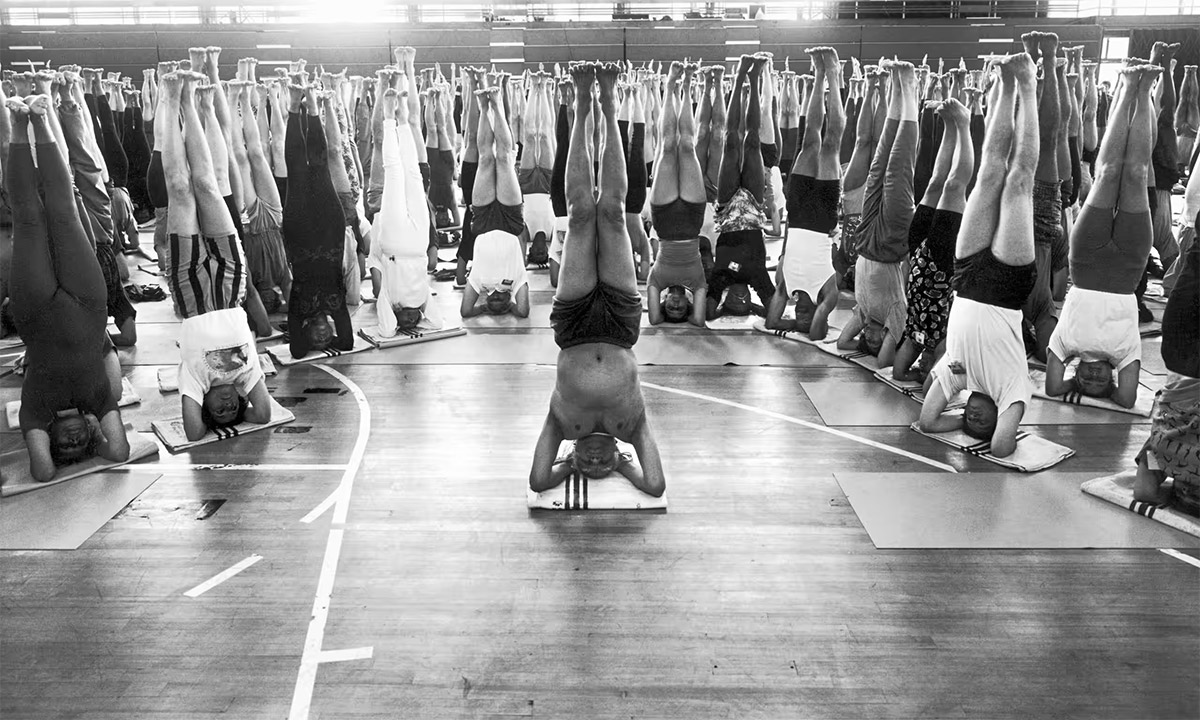
Iyengar Yoga emphasizes precision and proper alignment in every pose, often using props like belts, ropes, and wooden tools to adapt the practice to each individual. This focus helps improve posture, reduce stress and tension, and strengthen the entire body. Suitable for everyone, regardless of fitness level or flexibility, Iyengar Yoga allows practitioners to experience a profound sense of stability and inner balance.
The method enables practitioners to connect deeply with the wisdom of the Yoga Sutras in a way that is both accessible and personalized. It impacts not only the physical dimension—affecting anatomical, physiological, and organic systems—but also helps navigate modern challenges such as stress, anxiety, and sleep issues, promoting inner balance and stability that extends beyond the yoga mat.
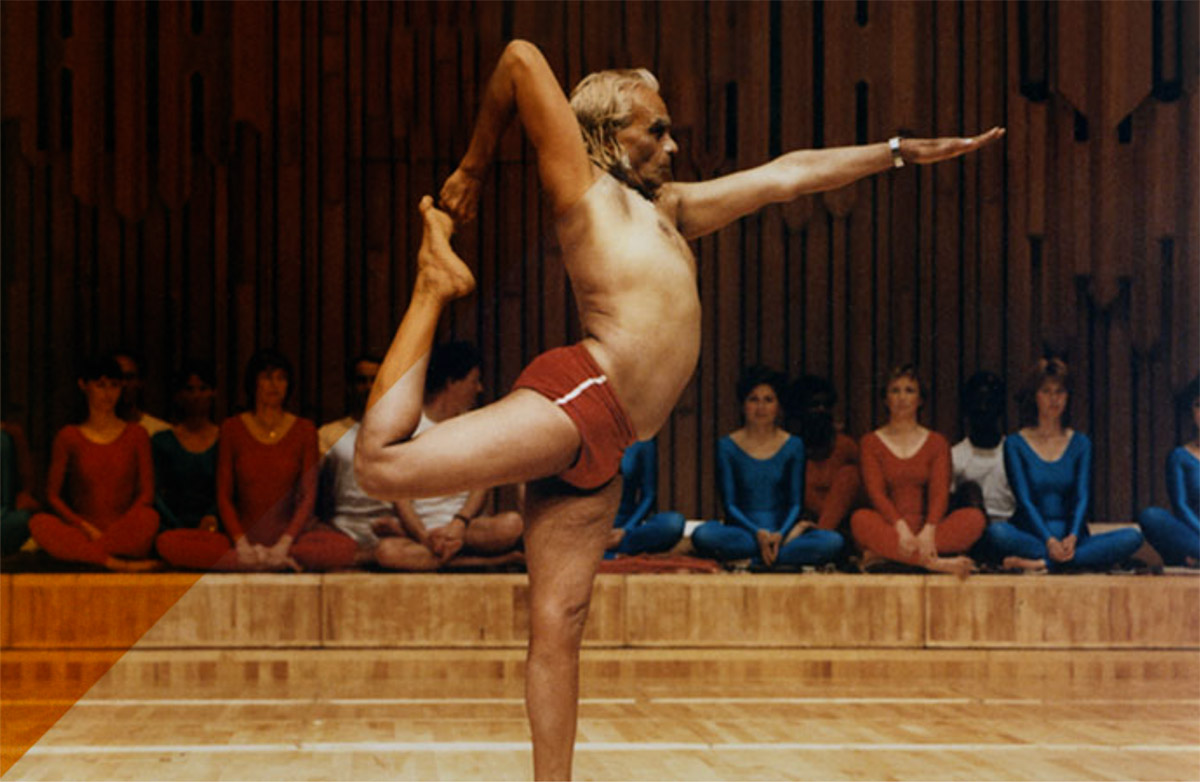
A regular Iyengar Yoga practice can transform your life. It grounds you, releases physical tension, and calms your thoughts, allowing you to focus. By giving yourself the gift of yoga, you’re not just improving your health but opening the door to profound, meaningful change in every aspect of your life.
The Iyengar method is rooted in the principles outlined by the sage Patanjali in his work Yoga sutras, where he defined yoga as "the cessation of the fluctuations of the mind" (CITTA VRITTI NIRODHA). The mind, intellect, and ego form the components of consciousness, and through yoga, they harmonize, bringing inner peace. Patanjali outlined 196 sutras, presenting yoga through the Eight Limbs (Ashtanga):

Yama
Universal moral principles
Niyama
Self-purification through discipline
Asana
Postures that train the entire body

Pranayama
Breath control and extension
Pratyahara
Withdrawal of the senses inward
Dharana
Focused concentration
Dhyana
Meditation

Samadhi
Complete absorption and supreme joy
The word “yoga” derives from the Sanskrit root yuj, meaning “to join,” “to harness,” or “to unite,” from which the term “yoga” was born.
There are two popular interpretations of yoga. Some see it as the union of the individual soul with the universal soul, disconnected entirely from the material world. Others reduce it to the physical aspect of Hatha Yoga. However, neither of these fully captures the essence of yoga.
Three definitions from traditional Indian texts reflect the core, purpose, and philosophy of yoga:
From Patanjali’s Yoga Sutras: “Yoga CITTA VRITTI NIRODHA,” meaning “the cessation of the fluctuations of the mind.” Simply put, yoga is the ability to control our thought processes. Recognizing that the mind is central to our actions and behavior, yoga aims to achieve peace and focus within the mind.
From the Bhagavad Gita: “Yoga Karmasu Kaushalam,” or “Yoga is skill in action.” Krishna describes yoga as the excellence and mindfulness required in performing one’s duties. Often, our emotional state—whether insecurity, overconfidence, or confusion—hinders us from fulfilling our responsibilities. Yoga, according to Krishna, is about setting emotions aside to carry out tasks with focus and skill.
Also from the Bhagavad Gita: “Samatvam Yoga Uchyate,” or “Yoga is equanimity.” This definition emphasizes performing duties without attachment to their outcomes, whether success or failure. Thinking too much about results can disrupt consistency and turn obligations into burdens. By rising above the duality of success and failure, one can live a stable and balanced life.
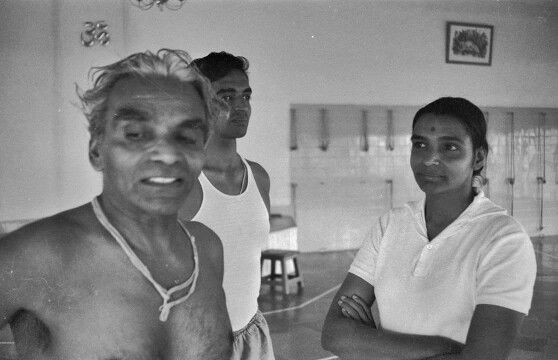
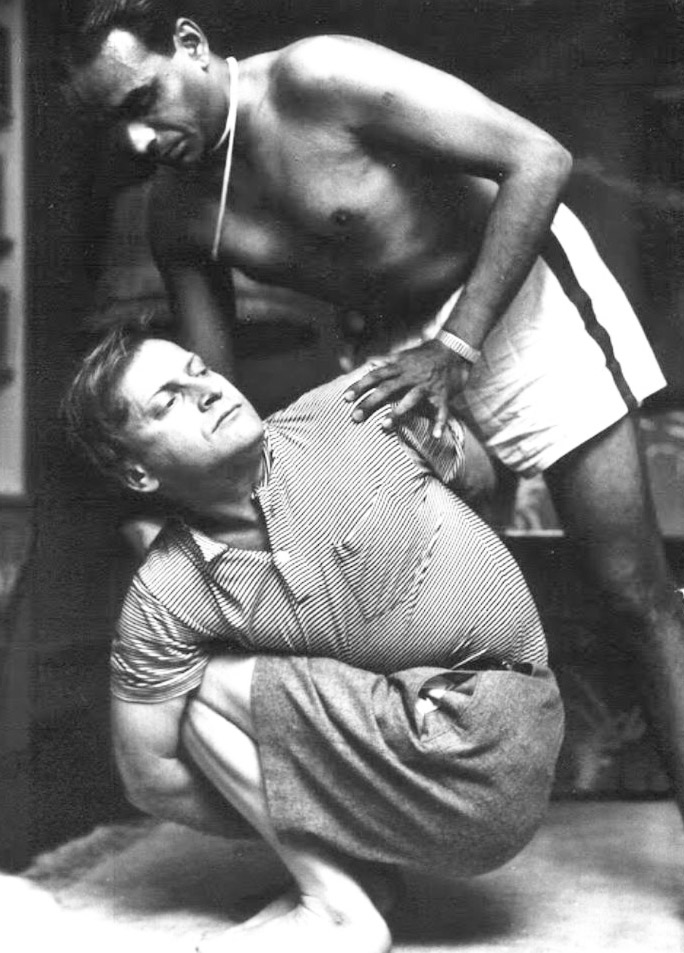
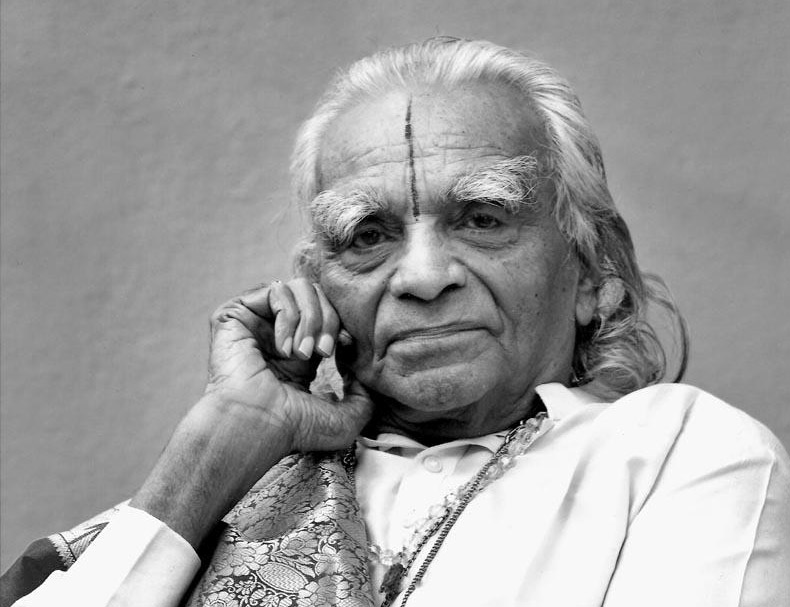
Yogacharya B.K.S. Iyengar (Guruji) is the man who introduced yoga to the West in a profound and transformative way. Through constant practice and exploration, he uncovered the deep meaning of the Yoga Sutras and made this wisdom accessible to his students. His unique teaching style, known as "Iyengar Yoga," is now taught by certified instructors around the globe.
Read more
Smt. Geeta S. Iyengar, the eldest daughter of Yogacharya B.K.S. Iyengar, was a leading figure in the field of yoga. She began learning yoga at a very young age by observing her father’s practice. Geeta also held a degree in philosophy. For many years, she served as the director of RIMYI, the mother institute of Iyengar Yoga in Pune, India.
Read more
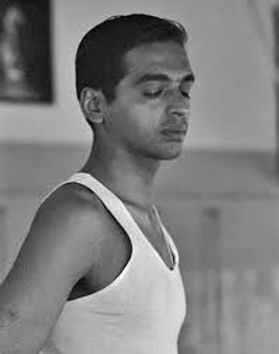
Sri Prashant S. Iyengar, the son of Yogacharya B.K.S. Iyengar, is a leading authority in the field of yoga. He currently serves as the director of RIMYI and is known for his profound knowledge of sacred scriptures and ancient texts, making his yoga teachings a fascinating experience. Prashant is also an accomplished violinist.
Read more
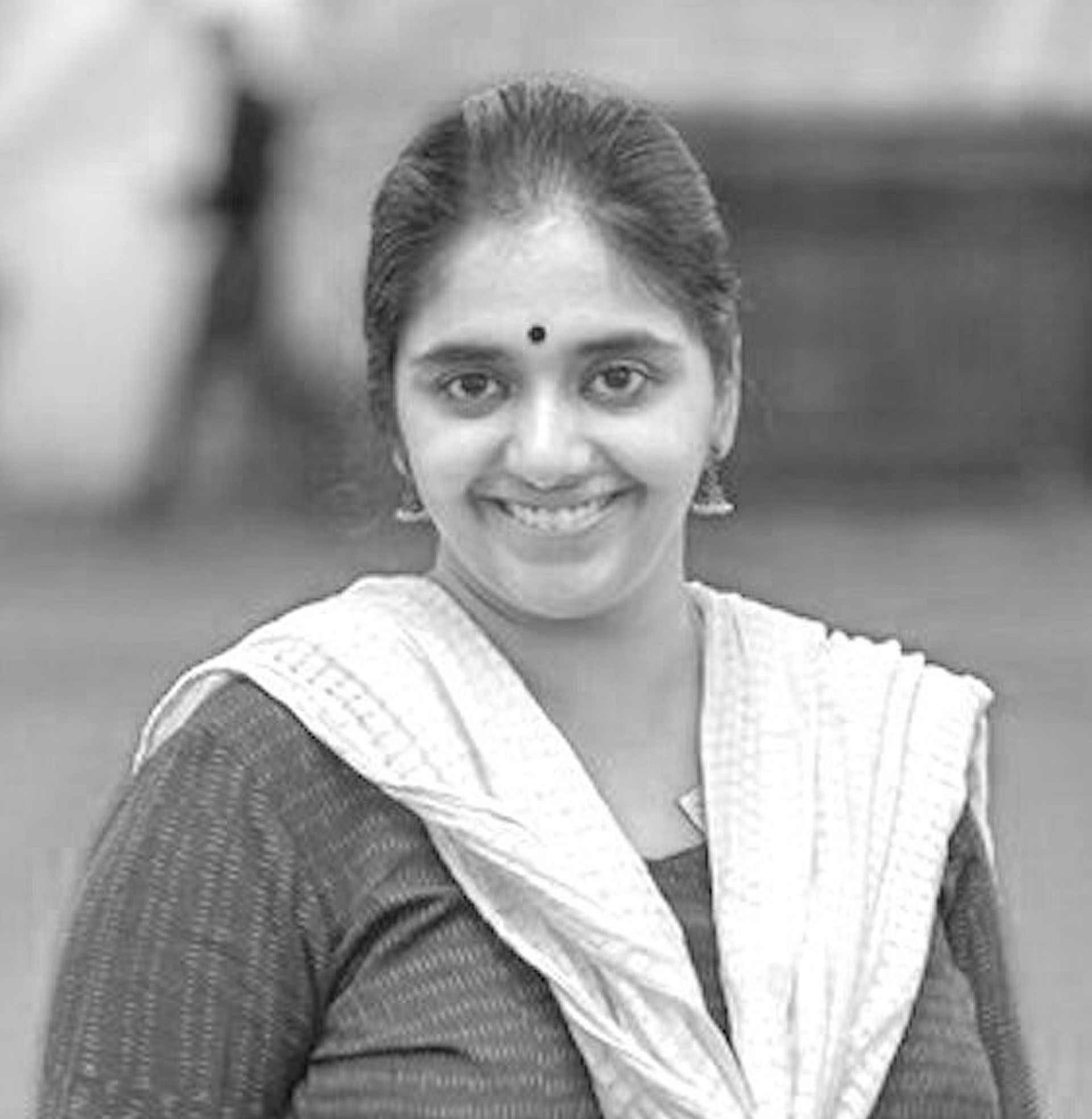
Abhijata Sridhar Iyengar, the granddaughter of B.K.S. Iyengar, began her serious yoga studies at the age of 16 under the direct guidance of her grandfather, her aunt Dr. Geeta S. Iyengar, and her uncle Sri Prashant Iyengar.
Read more
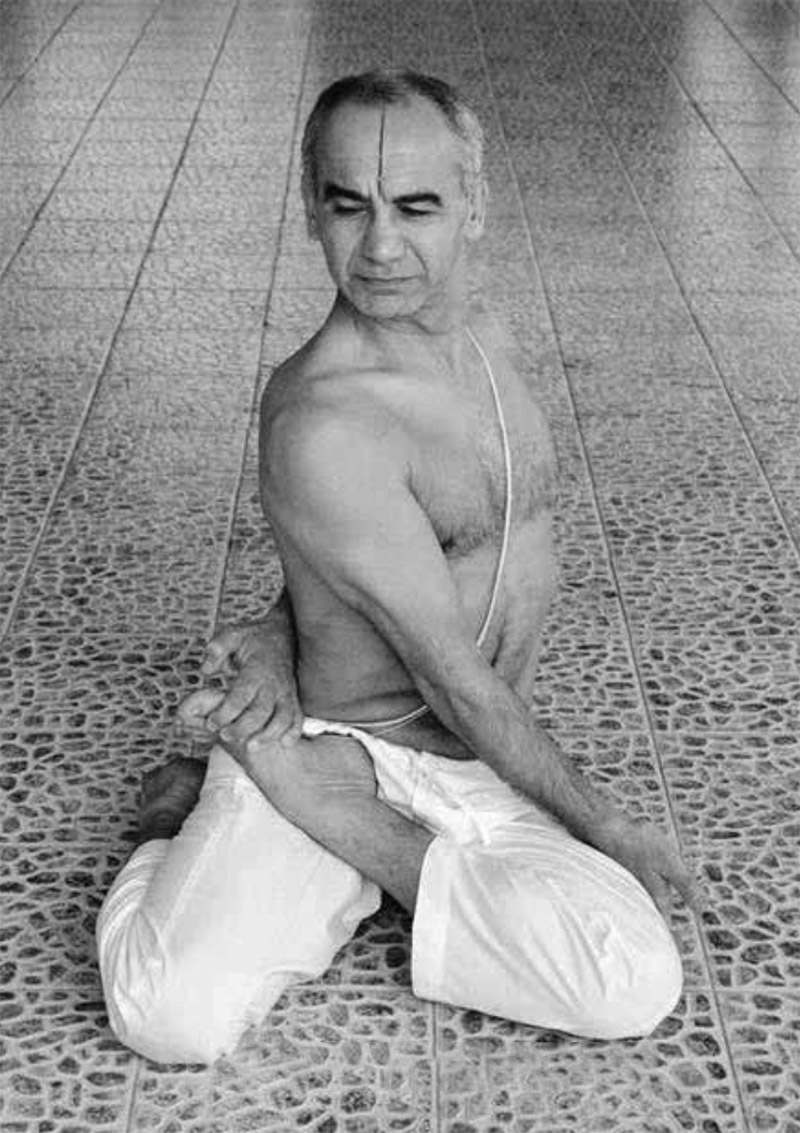
Fáèq Biria played a pivotal role in spreading Guruji’s teachings worldwide. Guruji entrusted him with the responsibility of teaching and training instructors in numerous countries, from Japan to Brazil, the United States to Singapore, and Israel to China. He left a profound impression in every place he visited.
Read more
Yogacharya B.K.S. Iyengar (Guruji) is the man who introduced yoga to the West in a profound and transformative way. Through constant practice and exploration, he uncovered the deep meaning of the Yoga Sutras and made this wisdom accessible to his students. His unique teaching style, known as “Iyengar Yoga,” is now taught by certified instructors around the globe.
Born on December 14, 1918, in Bellur, Karnataka, India, Iyengar experienced a challenging childhood marked by illnesses such as malaria, typhoid, and tuberculosis, as well as poverty. At the age of 16, he was introduced to yoga by his guru, Sri T. Krishnamacharya. At 18, Iyengar was sent by his guru to Pune, Maharashtra, to teach and spread yoga, beginning his journey as a dedicated teacher.
Iyengar was a committed practitioner whose personal practice allowed him to explore and master yoga postures (asanas), which became the foundation of his teaching. His influence on the world of yoga is immense, with countless students continuing to share his method worldwide, embodying his dedication and impact.
Guruji is celebrated for making yoga accessible and relevant to everyone, inspiring generations of practitioners to connect the body, mind, and spirit. His legacy lives on through his history, family, teachings, and the students he nurtured, all of which contribute to the unique character of his method and the global impact he left behind.
In 1943, Guruji married Ramamani, who was 16 years old at the time. She supported him throughout his journey and raised their five daughters and one son.
On January 26, 1973, Guruji laid the cornerstone for the Ramamani Iyengar Memorial Yoga Institute (RIMYI). Tragically, Ramamani passed away just days later, and the institute was dedicated to her memory. It was officially inaugurated on January 19, 1975. Today, RIMYI remains a vital center for the study and dissemination of Iyengar Yoga, drawing practitioners from all over the world. Guruji’s children, Geeta and Prashant, who were already involved in teaching yoga at the institute, continued his work while preserving the traditions and values he instilled. His granddaughter, Abhijata Sridhar Iyengar, now carries on his legacy alongside Prashant.
In 1966, Iyengar’s teachings were published in the book Light on Yoga, which became a global classic and has been translated into 18 languages. He authored 14 additional books, which are considered foundational for understanding and practicing Iyengar Yoga.
Guruji was the first to teach large groups of students, emphasizing the importance of precision and alignment in yoga postures. These principles became hallmarks of his method and were embraced by his students worldwide. He encouraged his students to push boundaries and face challenges, transforming their thoughts and habits in the process.
In 1998, to mark his 80th birthday, Guruji taught a week-long course to 800 of his students in Pune. In 2000, he conducted a special course for senior teachers from 40 different countries.
One of Guruji’s most recognized quotes is:
“Anyone can practice yoga, but only one in a million is worthy of being called a yogi.”
He passed away in 2014 at the age of 96, but his spirit continues to inspire yoga practitioners worldwide.
Smt. Geeta S. Iyengar, the eldest daughter of Yogacharya B.K.S. Iyengar, was a leading figure in the field of yoga. She began learning yoga at a very young age by observing her father’s practice. Geeta also held a degree in philosophy. For many years, she served as the director of RIMYI, the mother institute of Iyengar Yoga in Pune, India.
Geeta was an internationally renowned yoga teacher who began teaching in 1962 and instructed thousands of students worldwide. Known for her deep insight and compassion for her students, her unique teaching style helped many women navigate complex pregnancies and the challenges of menopause.
She regularly taught at RIMYI and participated in special yoga conventions in the United States, Canada, Australia, the United Kingdom, and Europe. Geeta was also the author of:
Sri Prashant S. Iyengar, the son of Yogacharya B.K.S. Iyengar, is a leading authority in the field of yoga. He currently serves as the director of RIMYI and is known for his profound knowledge of sacred scriptures and ancient texts, making his yoga teachings a fascinating experience. Prashant is also an accomplished violinist.
He has recorded a series of lectures on the Yoga Sutras, covering topics such as:
One of his well-known sayings is:
“The mind is not meant for action but for reflection on action.”
Abhijata Sridhar Iyengar, the granddaughter of B.K.S. Iyengar, began her serious yoga studies at the age of 16 under the direct guidance of her grandfather, her aunt Dr. Geeta S. Iyengar, and her uncle Sri Prashant Iyengar.
Abhijata holds a Bachelor’s degree in Zoology and a Master’s degree in Bioinformatics. She initially considered pursuing a PhD but chose to dedicate herself to teaching Iyengar Yoga under the mentorship of her family.
She is a senior teacher at RIMYI alongside her uncle Prashant and teaches at conventions around the world. Abhijata also oversees therapeutic classes at the institute. While her teaching is deeply influenced by her family, she has developed her own unique style.
When asked about the most important lesson she learned from her grandfather, she said:
“I remember clearly he said, ‘Life is as dynamic as the Amazon River. When this river flows, life flows with its energy, so your practice and life must also be dynamic.’”
Fáèq Biria played a pivotal role in spreading Guruji’s teachings worldwide. Guruji entrusted him with the responsibility of teaching and training instructors in numerous countries, from Japan to Brazil, the United States to Singapore, and Israel to China. He left a profound impression in every place he visited.
In Israel, Fáèq led the training of most of the Iyengar Yoga teachers under Guruji’s guidance and conducted teacher training courses.
Those who knew him were inspired by his exceptional qualities: his devotion to yoga practice, clarity in teaching, generosity in all areas of life, infectious enthusiasm, deep knowledge of yoga and Indian traditions, and unwavering dedication to his master and his teachings.
Fáèq Biria passed away on April 9, 2022, but his legacy continues to inspire yoga practitioners around the world.